
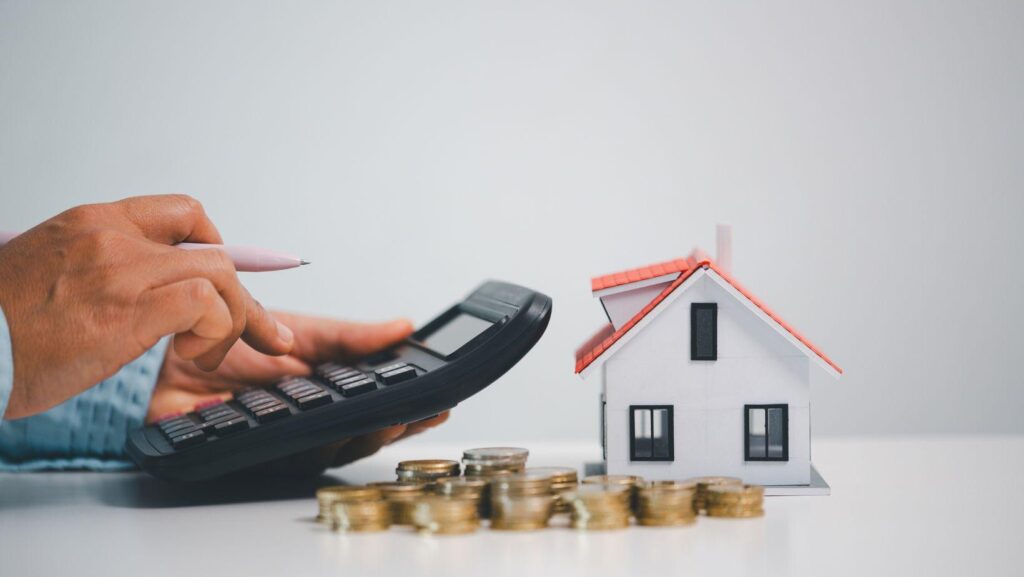
Having your own house is something many people dream of and want to achieve at some point in their lives. However, a mortgage that comes with it can also be the most significant expense you have to pay every month. If you pay the mortgage, electricity, water, insurance, food, transport, and other bills and purchases, it will be hard to come up with additional money for savings. The problem can be solved if you analyze your budget, plan your expenses, and manage them correctly. With a little effort, you will be able to find money for savings without putting your lifestyle at risk.
Review Monthly Spending
The first thing to do is determine where the money is being spent. Reviewing a few monthly statements from one’s bank accounts and credit cards can help in determining what expenses are necessary, what can bring joy, what can be done without, and what can be eliminated. After analyzing the monthly expenses, one may realize how much money is being poured down the drain on unneeded subscriptions, dinners out, and other inconveniences that one can live without.
The analysis of one’s spending habits can also help in determining the spending areas that remain flexible and those that are rather solid. For instance, one’s mortgage, taxes, and insurance payments remain the same or only slightly change each month, whereas entertainment, food, clothing, and other expenditures can be modified. It is critical to set limits on the latter to be able to save funds for more critical needs and have some money left for personal interests or family activities.
Build Savings Into The Budget
While many people save what is left after paying all the bills, the fact is that savings should be a priority in the budget. It will be possible to transfer part of the income to a separate account right after withdrawal. Any amount is better than none because regular transfers to savings exclude the possibility of spending the saved money on less important goods and services. In addition, the size of the transfer can be increased when the income increases or when some minor expenses are reduced.
It is essential to separate savings goals to have a better vision of the financial situation. The emergency fund, for example, can be kept in one account, and the money for repairs or other planned expenses, such as vacations or paying some regular bills, can be in other accounts. This division allows not to confuse the money intended for unplanned and large-scale expenses with money that can be spent on something trivial.
Manage Housing Costs
Although the mortgage payment may seem straightforward, homeowners should be aware of the total cost of home ownership. Money should be set aside for maintenance, which often prevents bigger issues and more substantial expenditures on the house. A particular sum should be separated for these purposes so that ordinary bills and home repair costs do not deplete the emergency fund. It is also essential to plan for the replacement of those systems in the house that will eventually need to be updated.
Moreover, when shopping for a mortgage, it is necessary to do the math to ensure that the selected option suits the current financial situation. Refinancing, adjusting the payment schedule, and buying the house also require professional consultation to avoid miscalculations when predicting future cash flows. For instance, a person who has asked a mortgage broker and mortgage broker Mississauga about their options will have a more comprehensive idea of how a mortgage fits into their long-term financial planning. Thus, when making any changes to mortgage payments, it is necessary to weigh all options, as cash flows usually depend directly on them.
Reduce Unnecessary Financial Pressure
Savings can often be improved if a homeowner refrains from adding new expenses that can negatively affect the monthly budget. New car payments, credit card balances, and purchases made on credit can interfere with the formation of savings. Before making a purchase that requires additional monthly payments, a homeowner should evaluate the cost and necessity of the item and how it will affect their ability to make mortgage payments.
In addition, an owner should try to use a part of the income received occasionally for savings. Instead of spending all the money received as a bonus or a gift, a part of it can be allocated to the emergency fund. Any unexpected income can be divided into two parts, one of which goes to savings, and the second to other expenses. In this case, the size of monthly payments will not decrease, which is a critical advantage for the formation of savings.
Controlling mortgage along with maintaining and improving the level of one’s savings require special attention and actions. One should consider multiple ways to reduce their expenses, set up savings, take care of additional costs related to the house purchase, and reduce their commitments. These steps will ensure that mortgage payments and regular expenses leave enough room for other priorities.