
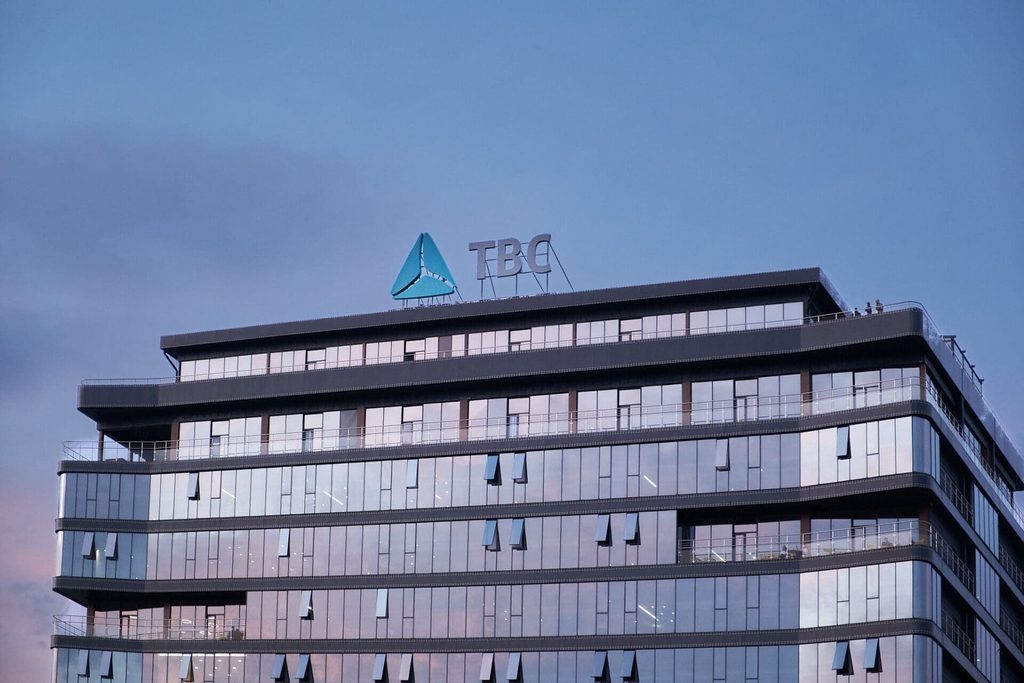
Uzbekistan’s national payment operator UZCARD and TBC Bank Uzbekistan have formalized a long-term strategic partnership, marking one of the more significant institutional alignments in the country’s card payment sector in recent years. The agreement establishes a jointly managed program to issue one million TBC Salom UZCARD bank cards as an initial deployment, with both organizations treating this as the foundation of an ongoing collaboration rather than a fixed-term project. Card issuance is expected to begin within the coming months, supported by a coordinated rollout of digital infrastructure, remote servicing capabilities, and joint customer engagement programs designed to drive active and sustained card usage across a broad user base.
Combining National Infrastructure with Digital Banking Capability
The partnership is built on a deliberate alignment of complementary institutional strengths. UZCARD operates the national card payment infrastructure in Uzbekistan — the processing networks, payment rails, and established relationships that underpin card-based transactions across the country. TBC Bank Uzbekistan contributes a fully digital banking model, a mobile-first approach to customer experience, and the product development capabilities that allow new financial offerings to be designed, tested, and delivered to users with speed and precision.
Together, the two organizations will develop the technical architecture supporting TBC Salom UZCARD, establish end-to-end remote card issuance processes, and build the ongoing digital customer service infrastructure required to manage a large and growing cardholder base effectively. Joint marketing programs will also be coordinated, with a stated focus on driving active card usage rather than passive registration — a distinction that both parties have emphasized in defining the partnership’s success criteria from the outset.
One Million Cards as a Statement of Market Intent
The decision to set a first-phase target of one million cards reflects a deliberate choice to enter the market at meaningful scale. A deployment of this size requires substantial technical preparation, coordinated operational logistics, and a shared assessment that demand exists at the level required to justify the investment. The fact that both UZCARD and TBC Bank Uzbekistan have committed publicly to this figure signals mutual confidence in the product’s market fit and in each organization’s capacity to execute against the target.
The TBC Salom brand already carries recognition among consumers familiar with TBC Bank Uzbekistan’s digital product suite. Extending it into a nationally networked card instrument allows the bank to reach segments of the population that rely on or prefer a physical card while maintaining the digital service quality and experience that defines its broader relationship with customers.
Dollar Dynamics, Currency Awareness, and the Digital Payment Shift
The announcement arrives against a broader backdrop of increasing financial awareness and digital engagement among Uzbek consumers. Currency tracking has become a routine element of personal financial planning across the country, with users regularly monitoring exchange rate movements to inform decisions on savings, purchases, and transfers. The sustained and measurable growth in searches for terms such as “курс доллара в узбекистане” and “dollar kursi bugun” reflects a population that is actively engaged with financial information, comfortable accessing it through digital channels, and increasingly accustomed to managing financial decisions in real time. Card products embedded within digital ecosystems that offer payment functionality alongside broader financial tools are well positioned to serve this segment — users who expect their financial platforms to be comprehensive, responsive, and constantly available.

Transportation Integration and the Logic of Daily Utility
A distinguishing feature of TBC Salom UZCARD is its planned integration with ATTO, Uzbekistan’s public transportation payment platform. Through this connection, cardholders will be able to use the card to pay transfer fares on public transport — a use case that generates daily card engagement and anchors the product firmly in users’ everyday routines, not just their periodic financial transactions.
This approach reflects a broader design philosophy that TBC Bank Uzbekistan has applied consistently across its product portfolio: financial tools are most valuable when they become part of daily life rather than instruments used only when a banking need arises. Cards that are used every day to commute generate the frequency of engagement and habitual usage that make them central to a customer’s financial identity and resistant to displacement by competing alternatives.
The partnership agreement also envisions ongoing collaboration with additional companies and organizations to expand the TBC Salom UZCARD benefit set progressively over time, indicating a product roadmap that will adapt as user behavior evolves and new partnership opportunities emerge.
Leadership Statements and Long-Term Strategic Framing
Both organizations have characterized the partnership in explicitly long-term terms. David Melikidze, CEO of UCMG LLC, described the agreement as a meaningful step in the development of card products within Uzbekistan’s national payment system: “We see significant potential in combining UZCARD’s infrastructure capabilities with TBC Bank’s digital expertise. Working together will allow us to create even more convenient and technologically advanced solutions for users.”
Spartak Tetrashvili, CEO of TBC Bank, framed the TBC Salom UZCARD as an opportunity to offer customers a product that brings together the bank’s digital customer experience and UZCARD’s national payment infrastructure: “We look forward to a long-term partnership and the joint development of the product.” The emphasis from both executives on development, iteration, and shared ownership over time points to a collaboration structured for evolution rather than a fixed co-issuance arrangement with a defined endpoint.
The UZCARD and TBC Bank Uzbekistan agreement represents a substantive development in Uzbekistan’s card payment market — one that brings national payment infrastructure and digital banking capability into formal, long-term alignment at a scale that signals genuine commitment from both institutions. The one million card target provides a concrete near-term benchmark, but the more significant dimension of the partnership is its stated long-term character and the mutual investment in building product and infrastructure that compounds in value over time. As Uzbekistan’s financial services market continues to mature and consumer expectations continue to evolve, partnerships that combine institutional depth with technological agility will play an increasingly defining role in shaping the country’s payment landscape.